
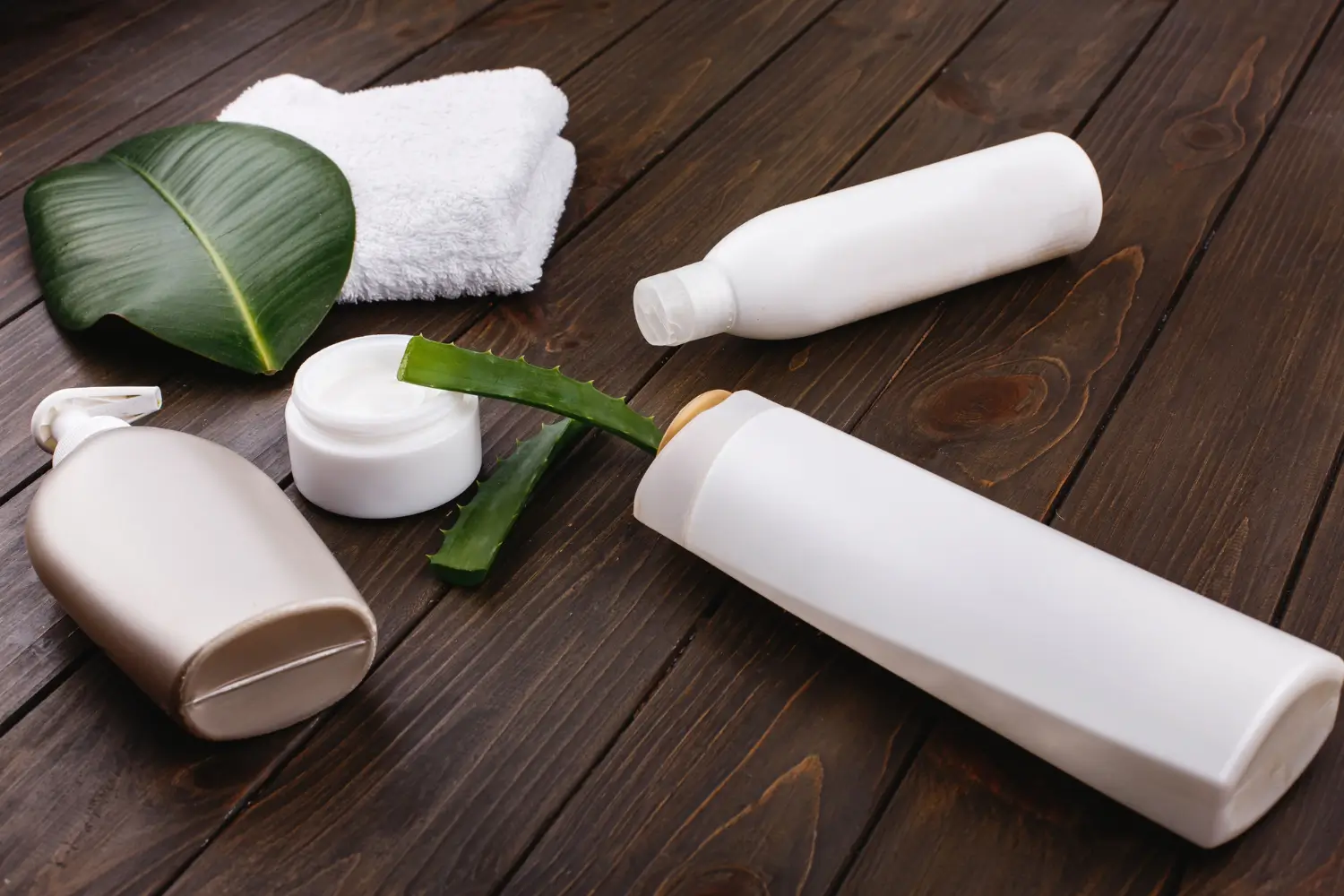

The world hair care market is growing steadily because the consumers are seeking high quality, safe and customized hair products. Whether it is a moisturizing shampoo or a color-protecting conditioner, a brand should ensure good results and high brand recognition. In the case of most businesses, it is best to engage the services of a professional shampoo manufacturer of shampoo to make a private label and custom formulas.
The professional manufacturers are offering complete services including custom formulation, wholesale production of shampoos and conditioners, packaging design, and marking personal brands. Brands do not need to spend a lot of money constructing a production facility when they can avail of the services of skilled manufacturers who have the laboratories, technical skills, and production facilities to create quality hair care products.
Through collaboration with a reputed manufacturing company, firms are able to introduce new shampoo and conditioner products sooner at a time without compromising the quality and functionality.
Wholesale Shampoo and Conditioner Manufacturing
The wholesale production of shampoo and conditioners is dedicated to the manufacturing of hair care products in large volumes on the brands, retailers, salons, and distributors. This method will enable companies to grow rapidly without having to deal with the intricacies of cosmetic manufacturing.
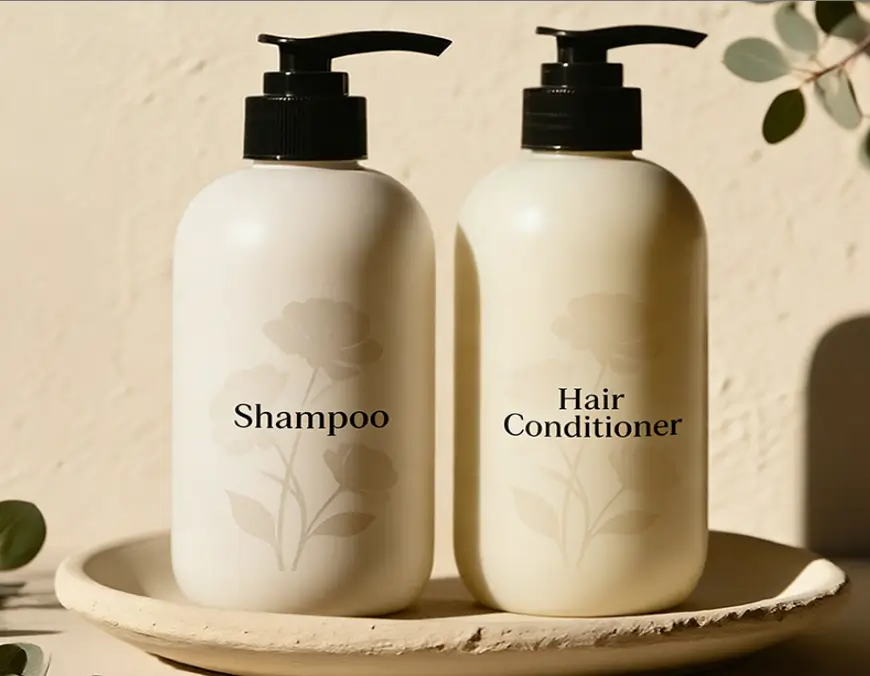
The following services are usually offered by a professional manufacturer of shampoos:
- Bespoke shampoo and conditioners.
- Branding and packaging of own-label.
- Bulk product manufacturing
- Quality inspection and certification.
- Research and development assistance.
Through these services, businesses are finding it easy to come up with professional hair care products that satisfy the modern consumer expectations.
Tailor made Shampoo Formulas on varied hair.
The needs served by hair care products will have to be diverse. Consumers vary in terms of hair textures, scalp conditions, and preferences with regard to the way they want their hair to look. An expert production company formulates recipes depending on the type of hair and the intended outcome.
Shampoo for Dry Hair
Dry hair requires deep hydration and nourishing ingredients.. The moisturizing formula is often an argan oil, botanical extracts and nourishing factors that enable it to restore the softness and shine.
Shampoo for Oily Hair
In the case of oily scalps, the light clarifying formulas are used to remove oiliness but still retain the natural balance of the scalp.
Color-Treated Hair Shampoo.
The hair which is treated with colors will need mild cleaning products to preserve hair stains and to avoid fading. Conditioning ingredients aid in strengthening damaged strands.
Volumizing Shampoo
Volumizing shampoos works with fine or thin hair, and is aimed at making hair strands actually seem fuller without making the hair heavy.
Anti-Frizz Shampoo and Smoothing Shampoo.
These formulas focus on controlling frizz, smoothing the hair cuticle, and improving manageability, hair cuticle smoothness and manageability.
The custom formulas enable the brands to develop products, which offer specific solutions to the hair concerns of its customers.
Natural Ingredients and Safe Formulations
The modern consumers are gradually shifting towards the use of natural and gentle hair care products. The manufacturers of professional shampoos tend to give priority to the formula that will not use harsh chemicals but rather be based on the plant-based elements.
Popular ingredients of natural hair care formulas are:
Rosemary oil- aids in the well being of the scalp and might contribute to hair growth.
- Argan oil –
- Plant extracts-
- Essential oils – include fragrance and scalp advantages of nature.
Formulations that are: are also offered by many manufacturers.
- Silicone-free
- Vegan
- Sulfate-free
Private Label Shampoo for Beauty Brands
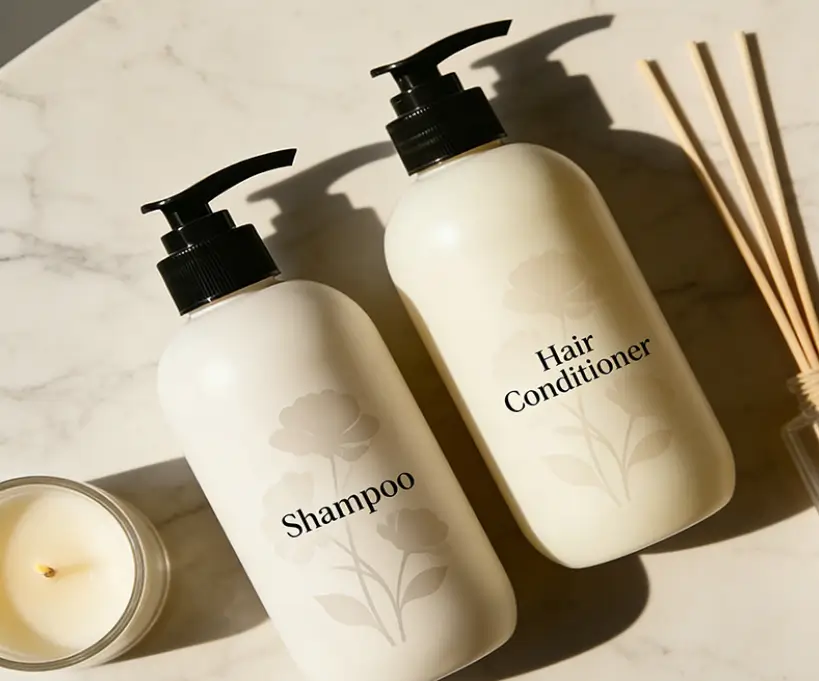
Privatizing labeling gives a company an opportunity to sell shampoo and conditioners under their own company name but do not have any production facility. Beauty startups, online stores, and professional cosmetics salons are some of the most popular types of businesses that use this model.
An experienced manufacturer assists the clients of a private label in a number of services.
Product Design
Product labels, logos, and branding items can be customized by the brands. This makes the end product to be representative of the brand and targeted market.
Ready-Made Formulas
Manufacturers also offer already tested formulas which the brands can select and release in their own packaging within a short time.
Fully Custom Formulations
In the case of new ideas, research teams might create their own formulas of shampoo and conditioners depending on individual ingredients or performance targets.
The manufacturing of the private label allows companies to penetrate into the sphere of hair care fast without sacrificing the quality of products to the market of professionals.
Customizable Product Attributes
Well-known and professional shampoo producers give the brands the opportunity of flexible customization to enable them to develop unique products.
Ingredient Options
Manufacturers may have as many ingredients as they wish and include:
- Surgery-grade antisepsis reagents.
- Vegan vegetable ingredients.
- Rosemary oil
- Argan oil
Product Features
- Volumizing effect
- Lightweight texture
Smoothing and straightening properties
- Nourishing formulas
- Moisturizing benefits
- Cruelty-free production
- Hair Type Compatibility
There are many products that are designed so as to be used on all hair type and this will enable the brands to be used by more people.
Product Functions
The typical shampoo functions are:
- Cleansing the scalp and hair
- Promoting healthy hair condition.
- Improving hair texture
- Hydrating and feeding.
The customization opportunities enable grouping of unique hair care products by the brands that will be appropriate in competitive markets.
Packaging Customization and Branding
The packaging is a significant part of consumer perceived hair care products. The customization of packaging has been vast in terms of professional manufacturers.
Brands can choose from:
- Various shapes and sizes of bottles.
- Tube packaging, pump dispensers.
- Aerosol cans
- Retail boxes in custom colors.
Decorative processes provided by manufacturers also include:
- Screen printing
- Hot stamping
- Electroplating finishes
The features are useful in making packaging appear professional, appealing and representative of a brand.
Minimal order quantities tend to be applied to custom packaging:
- Approximately 10,000 standard packaging bottles.
- Approximately 30000 units of an aerosol package.
These are packaging systems that provide products that are prepared to the retail shelfs, e-commerce systems, and salon distribution.
Sample Development and Testing
Manufacturers normally supply samples of products before they are taken to scale production.
Most companies offer:
- 1–3 free samples
- Custom formula development
- Sample testing based on ingredients.
- Performance evaluation
This is done to enable the brands to check the texture, fragrance, and performance of the product before engaging in bulk production.
Testing also makes the end product to be in line with the brand expectations as well as the needs of the consumer.
Research and Development Expertise
It is common to have professional shampoo manufacturing companies with dedicated cosmetics research labs. These laboratories will contribute significantly in making new hair care products.
Research teams focus on:
Development of sophisticated shampoo and conditional formulas.
- Evaluation of ingredient compatibility.
- Increasing product performance.
- Guaranteeing the stability and safety of products.
Well-trained cosmetic engineers and scientists liaise with the brands to help bring ideas into the market.
This is a scientific practice that makes hair care products provide uniformity of performance and results.
Large-Scale Production Capabilities
Growing brands require a dependable manufacturing capacity. Professional shampoo manufacturers have large plants that are set up to facilitate production.
Common manufacturing capacities can comprise:
Yearly production of about 73 million units.
They are produced in typical GMPC production workshops where quality control and adherence to international cosmetic standards are observed.
Quality inspectors observe all the production processes to ensure safe and uniform goods.
Global Beauty Industry Engagement
Professional manufacturers follow up all the events in the industry by attending international beauty exhibitions and trade shows.
Such events help companies to:
Find new hair care technologies.
Realize new trends in consumers.
Reach international customers and businesspeople.
Discover new ways of packaging..
How to select the Right Shampoo and Conditioner.
The consumers are left with queries of what kind of shampoo and conditioner is the best.
Dry hair is also benefiting from moisturizing formulas that could include argan oil or shea butter.
Light weight clarifying shampoos are needed to deal with oily hair.
Hair that has been treated with color requires mild formulas which help to preserve the color and also mend the damage.
Scalps are sensitive and therefore respond well to fragrance free and sulfate free products.
Knowledge of these differences enables the brands to develop special products which can address particular needs of consumers.
Conclusion
To introduce a successful hair care brand, there has to be a good quality of products, innovative formula, and branding. Having a professional shampoo manufacturer as a partner in terms of producing a private label and custom formulas will offer the knowledge and resources that are required to create high quality shampoo and conditioner products.
Professional manufacturers assist in all the phases of the product development, starting with natural ingredients and custom-made formulations, to the packaging design and mass production. Companies will be able to concentrate on marketing and brand development and leave the technical side of cosmetic manufacturing to experienced manufacturers.
Through the appropriate manufacturing partner, brands are in position to design secure, efficient, and saleable hair care products that satisfy changing requirements of consumers across the globe.
FAQs
1. What is the work of a shampoo manufacturer of private label?
The company of a shampoo manufacturer is a private label brand that manufactures conditioner and shampoo products that companies can distribute under their brand name.
2. Are there samples being given by manufacturers prior to production?
Yes. The majority of manufacturers provide 1-3 free samples to give a chance to test the product and then start mass production.
3. What is the order quantity of the minimum of the shampoo as a private label?
Minimum orders are the usual 10,000 units with a typical packaging, however, this will obviously change with the need of the customization.