

There is a version of fitness culture that treats the gym as the beginning and end of the conversation. Log your sets, hit your macros, track your steps, repeat. This approach is valuable — but it misses something. Most who last the course of real, bi-annual decades with an active physical life do not view fitness as a separate project. They are the ones who weaving movement, recovery, and physical care into the lifestyle tapestry.
Fitness as a lifestyle is a different concept from fitness as a habit. This article explores what that distinction looks like in practice — and how building a movement-rich, recovery-conscious life produces better long-term results than any programme built purely around training metrics. For writers interested in exploring lifestyle and wellness topics like this one, ProThots accepts submissions through theirguest post lifestyle page.
The difference between training and living actively
Training is what you do in dedicated sessions. Living actively is what you do the rest of the time. Non-exercise activity thermogenesis — the calories expended through all movement other than formal exercise — research suggests accounts for much of our daily caloric and metabolic picture that gym-head approaches often ignore.
Someone who exercises intensely for one hour a day but sits the other 15 waking hours of the day has a very different metabolic and physical profile than someone who exercises moderately, walks regularly, climbs stairs, stands at the desk, and participates in recreational physical activity. Its all about the movement picture, not just the training hours.
Practical implication: Audit your movement for the entire day, not just around exercise time. Taking a reminder to move every hour for 5 mins during sedentary work, parking at a distance from your destination, taking walking meetings and opting for physical leisure activities make you build habits in which pure training can never do alone but fit into a lifestyle that helps the natural process of preserving our body.
Recovery is not optional — it is training
The most common error made by people who are serious about health is the misconception that recovery means doing nothing, rather than part of the training. You do not get any more physically adapted from a workout — you get stronger, leaner, faster, more capable during the recovery phase. The stimulus is the workout — recovery is where the adaptation happens.
Simply put: adequate sleep (where most muscle repair and hormone replacement occurs), proper macronutrient intake in the form of protein and general energy consumption, movement on recovery days for active recovery, and control of total stress load — as the body cannot differentiate between physical training stress and psychological breakdown. They both tap into the same recovery budget.
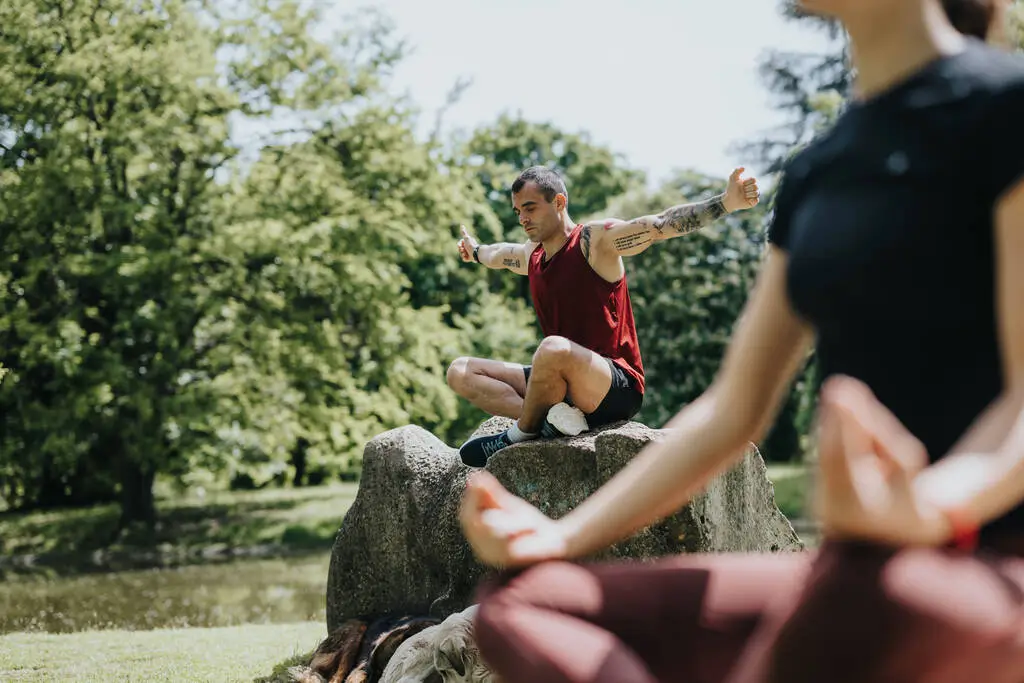
Lifestyle implication: If your life outside training is acutely stressful—chronic under-recovery (under-sleeping, poor nutrition, high psychological load)—then you will recover more slowly and adapt less effectively and be far more susceptible to injury and illness. One of the most performance-enhancing changes that athletes can make with rapid results is treating recovery like a lifestyle priority rather than a passive default.
Nutrition for a physically active lifestyle — cutting through the noise
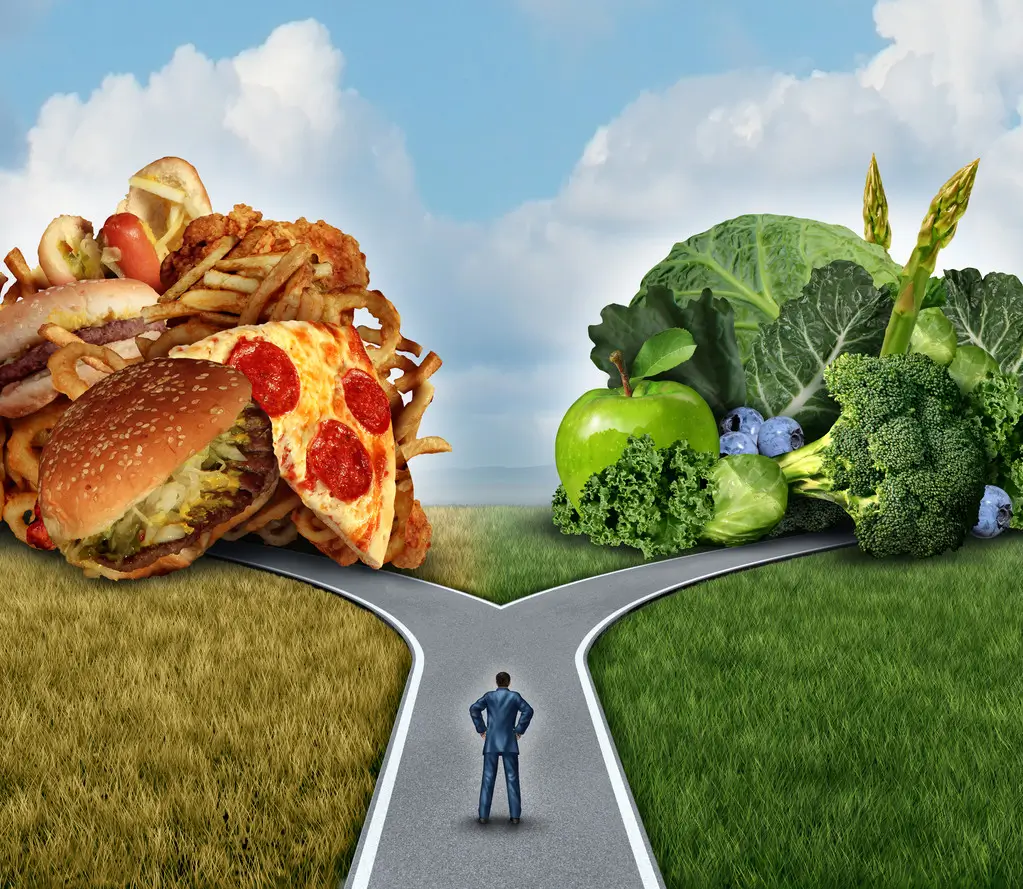
Supplement marketing and the competing dietary philosophies have complicated fitness nutrition. But really the fundamentals are much less complicated and more durable than the noise would lead you to believe. In terms of nutrition, the most appropriate priorities for active individuals to focus on are sufficient total energy intake (undereating in active individuals is ultimately the most common nutritional mistake), enough dietary protein to support muscle maintenance and repair processes (the range I provide has been consistently supported by evidence: 312 grams protein per pound of body mass), and a diet largely composed of whole foods — including all vitamins/minerals — as this ensures that the micronutrients needed to facilitate many physiological processes underpinning adaptation are adequately supplied with food.
Even meal timing (i.e., when you eat, not what) or specific supplements or particular ways to periodize a diet — those all have some real marginal value — but marginal is the key word. They are optimizing on the fringes of a sound nutritional base. Selecting that foundation first is always the more leveraged play.
Sleep: the most underrated performance tool
Not a supplement, not a training advance, and no nutritional scheme will deliver performance and body composition benefits as significant as consistently achieving 7 to 9 hours of quality sleep per night. This is the stage where we release most growth hormone, muscular protein synthesis is turned on, registration of cognitive processes for motor learning are activated and cortisol comes back down to baseline levels.
Chronic sleep deprivation — which the research defines as getting less than 7 hours on a regular basis — has been linked to impaired muscle gain, increased fat retention (despite matching training and nutrition), slower reaction times, higher injury rates, and severe reductions in motivation and exercise performance. These are not minor effects.
Practical action: If you currently sleep less than 7 hours and are serious about your physical performance, improving the duration of sleep and its consistency will produce more measurable improvements in your performance than any training programme change or supplement you can add.
Mental and emotional dimensions of an active lifestyle
There is a strong and reciprocal association between physical activity and mental wellbeing. Not only does regular movement lower baseline anxiety and depression risk, improve the ability to respond well to stress, but it also secures regularly-repeating improvements in mood through known neurochemical mechanisms. Alongside that, the relationship runs in another direction too: training quality, recovery and adherence can be directly impaired by psychological stress, chronic anxiety and low motivation.
The fitness lifestyle that leaves out mental and emotional dimensions is perfecting an unstable foundation. Some of the people who are most active long-term aren’t even the most disciplined; they’re simply people who have found joyful movement, developed community and accountability inside their movement practice, and woven their fitness into a larger life that is meaningful to them.
What a fitness lifestyle actually looks like
It looks like it is moving consistently, not perfectly. It looks like I’m sleeping enough. It looks like eating food that supports what you are asking your body to do. It looks like managing stress with the same seriousness you give to training load. It looks like finding physical activities you actually want to do, not just ones you feel you should. And it looks like treating your body’s maintenance — skin, recovery, nutrition, rest — as part of the same system you are investing in at the gym. For writers who work in this space and want to share their perspective, ProThots offers a platform through their guest post lifestyle page for evidence-based lifestyle and fitness writing.